Staying hydrated is essential for good health, yet one of the most common questions people ask is: how much water should I drink? The answer isn’t as simple as “8 glasses a day.” Your hydration needs depend on several factors like age, activity level, climate, and overall health.
In this comprehensive guide, we’ll break down everything you need to know about daily water intake, backed by real-world science and practical advice.
Why Water Is Essential for Your Body
Water makes up about 60% of the human body, and it plays a crucial role in nearly every function.
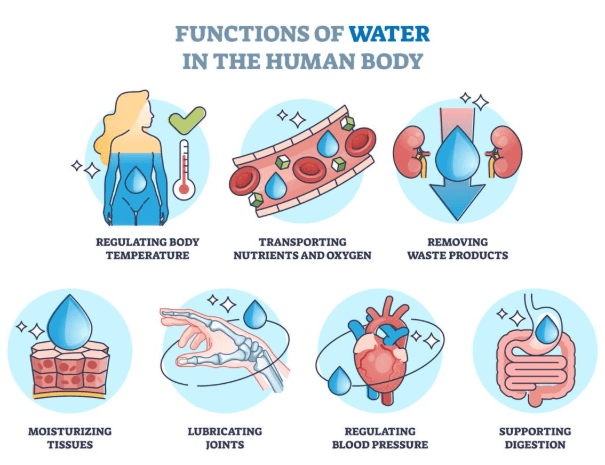
Key Functions of Water
- Regulates body temperature
- Transports nutrients and oxygen
- Flushes out toxins
- Supports digestion and metabolism
- Lubricates joints and tissues
Without enough water, your body struggles to perform these basic functions efficiently.
General Rule: How Much Water Should You Drink Daily?
The traditional advice is to drink 8 glasses (about 2 liters) per day. However, modern research suggests a more personalized approach.
Recommended Daily Intake (Average Adults)
- Men: حوالي 3.7 liters (125 oz) per day
- Women: حوالي 2.7 liters (91 oz) per day
This includes all fluids, not just plain water. Foods like fruits and vegetables also contribute to your daily intake.
Factors That Affect Your Water Needs

Your water requirements can vary widely depending on several lifestyle and environmental factors.
1. Physical Activity
If you exercise or sweat a lot, you need more water to replace lost fluids.
2. Climate and Weather
Hot or humid weather increases sweating, which means higher water needs.
3. Body Size and Weight
Larger individuals generally require more water.
4. Health Conditions
Fever, diarrhea, and infections can increase fluid loss.
5. Pregnancy and Breastfeeding
Women need extra hydration to support both themselves and their baby.
How to Calculate Your Personal Water Intake
A simple method to estimate your daily water needs is:
Body Weight Formula
- Drink 30–35 ml of water per kg of body weight
Example:
- 70 kg person → 2.1 to 2.45 liters daily
Another Easy Rule
- Half your body weight (in pounds) = ounces of water per day
These are guidelines—not strict rules—but they give a good starting point.
Signs You’re Drinking Enough Water
Your body gives clear signals when it’s properly hydrated.
Healthy Hydration Indicators
- Light yellow or clear urine
- Rare feelings of thirst
- Good energy levels
- Moist skin and lips
If you feel alert and energized, chances are you’re well hydrated.
Signs of Dehydration You Shouldn’t Ignore

Dehydration can range from mild to severe and should be taken seriously.
Common Symptoms
- Dark yellow urine
- Dry mouth and lips
- Fatigue or dizziness
- Headaches
- Muscle cramps
Severe dehydration may require medical attention, so don’t ignore these warning signs.
Can You Drink Too Much Water? (Overhydration Explained)
Yes, it’s possible to drink too much water—a condition known as water intoxication.
What Happens in Overhydration?
- Dilutes sodium levels in blood
- Causes swelling in cells
- Can lead to serious complications
Who Is at Risk?
- Endurance athletes
- People forcing excessive water intake
Balance is key—more water isn’t always better.
Best Times to Drink Water Throughout the Day
Timing your water intake can improve digestion and overall health.
Ideal Hydration Schedule
- Morning: 1–2 glasses after waking up
- Before meals: Helps digestion
- During exercise: Small sips regularly
- Before bed: Small amount (avoid excess)
Spreading your intake evenly is better than drinking large amounts at once.
Does Food Count Toward Water Intake?
Absolutely! Around 20–30% of daily water intake comes from food.
Water-Rich Foods
- Cucumbers
- Watermelon
- Oranges
- Strawberries
- Lettuce
Including these in your diet helps maintain hydration naturally.
Tips to Stay Hydrated Easily

Staying hydrated doesn’t have to be difficult. Small habits can make a big difference.
Simple Hydration Tips
- Carry a reusable water bottle
- Set reminders on your phone
- Add natural flavors (lemon, mint)
- Drink a glass before each meal
- Track your intake using apps
Consistency matters more than perfection.
How Much Water Should I Drink During Exercise?
Hydration becomes even more important when you’re active.
General Guidelines
- Before exercise: 400–600 ml
- During exercise: 150–250 ml every 15–20 minutes
- After exercise: Replenish lost fluids
For intense workouts, consider electrolyte drinks.
Special Considerations for Different Age Groups
Children
- Need regular hydration but smaller amounts
- Encourage water over sugary drinks
Older Adults
- May not feel thirst as strongly
- Should drink water regularly even if not thirsty
Athletes
- Require higher intake due to sweat loss
- Should monitor hydration closely
Conclusion
So, how much water should I drink? The answer depends on your body, lifestyle, and environment. While general guidelines suggest around 2–3 liters per day, your personal needs may vary.
The best approach is to:
- Listen to your body
- Monitor hydration signs
- Adjust intake based on activity and climate
Staying properly hydrated supports energy, focus, and long-term health—making it one of the simplest yet most powerful habits you can build.
Frequently Asked Questions (FAQs)
1. Is 8 glasses of water a day enough?
Not always. It’s a general guideline, but individual needs vary based on factors like weight, activity, and climate.
2. Can coffee or tea count toward water intake?
Yes. Beverages like coffee and tea contribute to hydration, though water should still be your primary source.
3. How do I know if I’m drinking enough water?
Check your urine color—it should be light yellow. Also, you should rarely feel thirsty.
4. Should I drink water even if I’m not thirsty?
Yes, especially in hot weather or during physical activity, as thirst isn’t always a reliable indicator.
5. Does drinking more water help with weight loss?
Water can support weight loss by improving metabolism and reducing appetite, but it’s not a standalone solution.