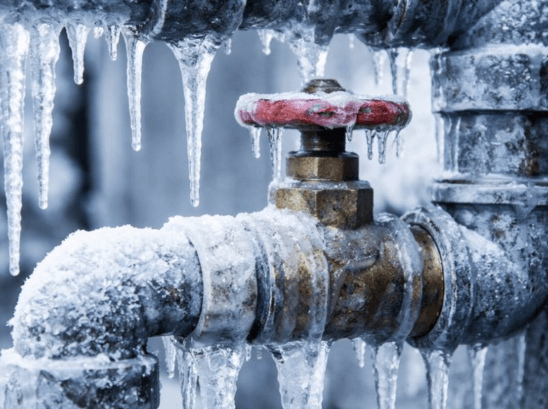
Preventing frozen pipes hinges on identifying vulnerable spots and safeguarding them before cold settles in. Exposed plumbing, exterior walls, and unheated areas require proper insulation and barriers, with gaps or drafts checked and sealed. Maintain stable indoor temperatures without over-heating, and seal drafts around doors and windows. Insulate pipes and any exposed outdoor lines with durable wrap materials, ensuring seams stay sealed and accessible for inspection. A simple seasonal plan keeps risks manageable, yet questions remain about fine-tuning for specific homes.
Identify and Protect Vulnerable Pipe Spots
Identifying vulnerable pipe locations is the first step in preventing frozen pipes. The analysis identifies vulnerability in exposed plumbing, exterior walls, and unheated areas. Teams identify risk zones, then protect spots with insulation and barriers. Inspect insulation for gaps, monitor drafts, and verify seals. Accurate documentation ensures swift remedy if conditions change, maintaining reliable, free-flowing systems.
Keep Indoor Temperatures Stable Without Overheating
Maintaining a steady indoor temperature is essential to preventing frozen pipes, and doing so without excessive heating saves energy and reduces risk.
The approach emphasizes disciplined control: monitor rooms with uneven heat, adjust the keep thermostat to maintain consistent setpoints, and seal winter drafts around doors and windows. This reduces fluctuation, supports safety, and respects personal freedom to optimize comfort and efficiency.
Insulate Pipes and Exposed Outdoor Lines Properly
Insulating pipes and exposed outdoor lines is essential for preventing freezing and subsequent damage.
Select durable insulation materials designed for plumbing and verify seams are sealed.
Apply weatherproofing techniques such as pipe sleeves or foam wrap on exposed runs, and insulate outdoor faucets.
Maintain accessibility for inspections, ensuring gaps are closed and drainage remains clear, reducing thermal bridges and risk.
Establish Easy Seasonal Maintenance Habits and Checks
Establishing simple, repeatable seasonal checks helps ensure readiness without causing disruption. The approach emphasizes probe seasonal timing, schedule preventive checks, and assess insulation needs before cold spells. Identify vulnerable spots, monitor indoor temps, and protect outdoor lines through concise routines. Documentation supports consistency, while adjustments reflect changing conditions, maintaining freedom to respond quickly without sacrificing reliability or safety.
See also: Blockchain in Voting Systems
Frequently Asked Questions
Can a Frozen Pipe Burst Even if It Isn’T Visibly Frozen?
A frozen pipe can burst even if no surface ice is visible, due to internal expansion. This aligns with frozen pipe myths; be prepared with correct thawing techniques, monitor pressure, and prevent leaks through proactive insulation and careful warming.
Should I Leave Faucets Dripping During Extremely Cold Nights?
During extreme cold nights, yes, he should leave faucets dripping. This simple faucet dripping, a pragmatic safeguard, reduces pressure and residual freezing risk, enabling a controlled trickle to prevent bursts while maintaining practical, freedom-minded homeowners’ confidence.
How Can I Protect Pipes in Rentals or Shared Walls?
Protecting pipes in rental walls and shared walls requires sealing drafts, insulating accessible sections, and coordinating with landlords for thermostat settings; renters should request continuous heat, while landlords install proper insulation and valve protection to minimize risk.
What’s the Best Way to Heat Spaces Near Vulnerable Pipes?
Can heat spaces near vulnerable pipes be kept safe with targeted heating strategies? The guide outlines practical heating strategies and insulation methods to elevate warmth, regulate heat distribution, minimize cold spots, and empower property owners seeking independent resilience.
Do DIY Methods for Thawing Pipes Cause Damage or Void Warranties?
DIY safety concerns: DIY thawing methods can risk pipe damage and potentially void warranties in certain scenarios. Insurance impacts may arise from improper practice. The detached observer notes professional guidance reduces risk, ensures proper technique, and preserves coverage.
Conclusion
In a world where pipes pretend to be brave, the prudent homeowner remains the true frost fighter. By locating vulnerable spots, maintaining steady but sane indoor temperatures, and wrapping pipes with durable, inspectable insulation, disaster is politely postponed, not eliminated. Documented seasonal checks turn chaos into calm, and a little vigilance saves both water and wallets. So, while the boiler hums, the pipes stay unbroken—proof that sensible preparation, not heroic heat, prevents winter’s chilly surprises. Satire aside, do the preventive work.